



Intuitive onboarding for app for mental health

8 Essential Features to Include in Your App for Mental Health

10 Jul. 25
187 VIEWS

Creating a custom mental health app that is both effective and user-friendly requires more than sleek design and good intentions. Lets Nurture are highly skilled mobile app developers with a specialization in user-centric health apps. To truly support users, such an app must be rooted in data-backed psychology, designed for accessibility, and enhanced with modern technology like AI. In a growing mental health app market, competition is steep, but the right mental health app features can make your product a standout solution for users seeking wellness and emotional balance.

1. Intuitive Onboarding Process

A smooth onboarding process ensures users feel welcomed and guided from the start. This should include a brief tutorial, options for customization, and reassurances about data privacy.

The first impression your mental health app UI makes will determine whether a user stays engaged or uninstalls. A well-designed onboarding flow should also incorporate accessibility features, ask users about their goals for using the app, and offer opt-ins for notifications and reminders that align with their mental health needs. Incorporating calming design elements and reassuring language at this stage can help ease any anxiety new users may feel.

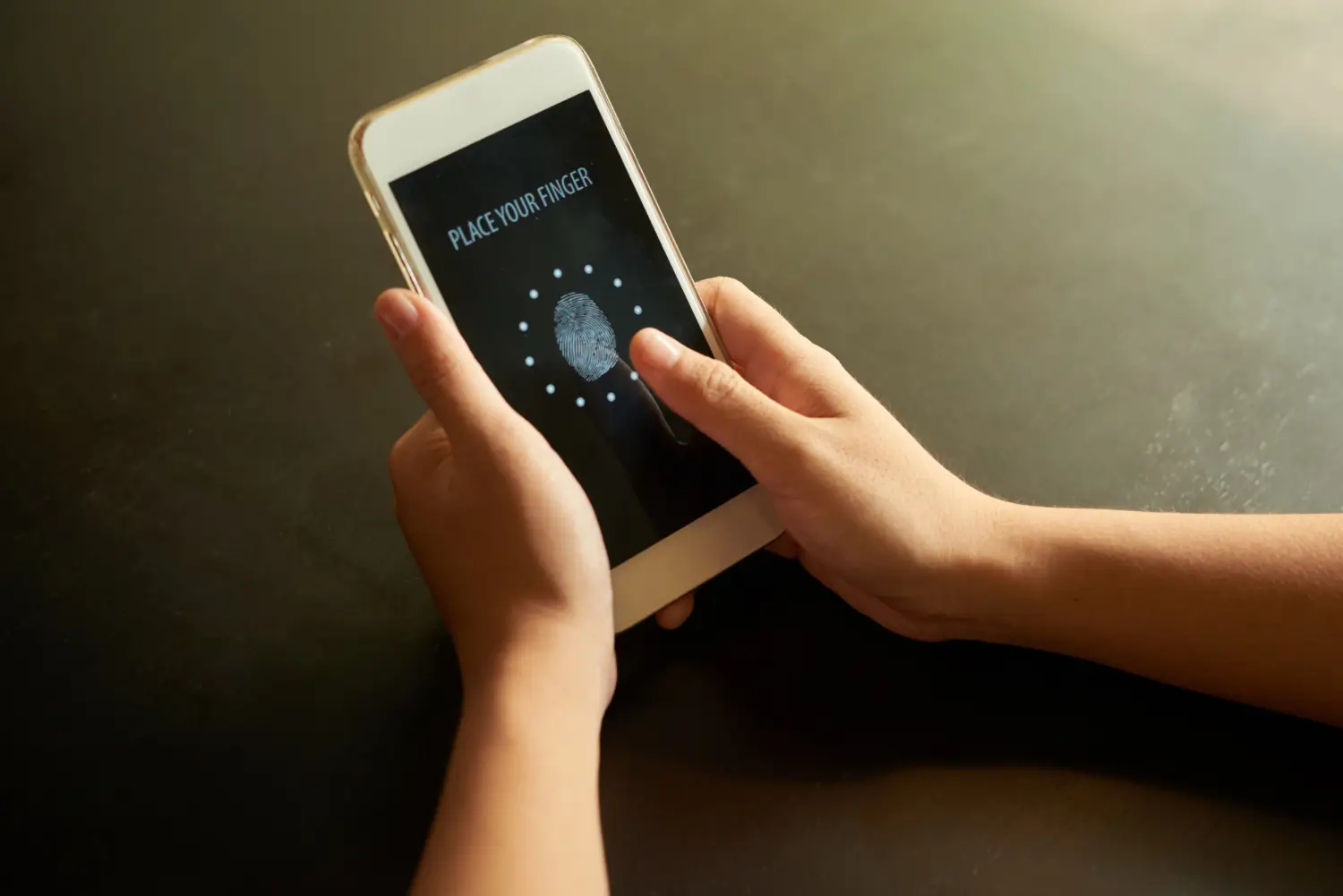
2. Secure User Authentication

Security is paramount. Implement multi-factor authentication and ensure all user data is encrypted. This aligns with HIPAA standards and builds user trust, which is vital for any app for mental health.

Beyond that, clearly communicate your data policies in plain language, provide options for biometric authentication (such as fingerprint or facial recognition), and regularly test your app for vulnerabilities. Ensuring secure access reassures users that their sensitive mental health information is being handled responsibly.

Secure user authentication in mental health apps
Image by pressfoto on Freepik

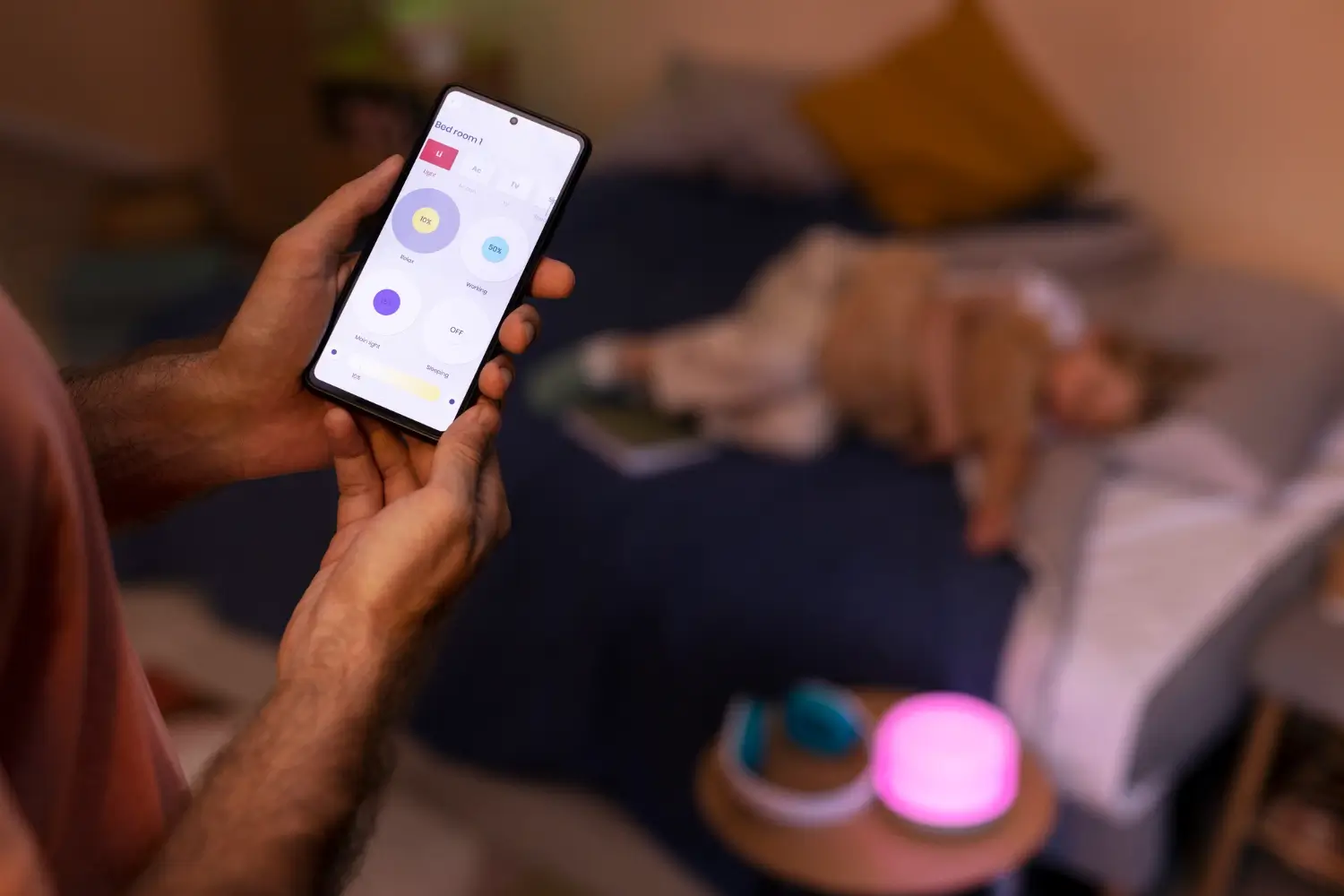
3. Personalized User Profiles

Allow users to create personal profiles that track preferences, therapy history, goals, and mood patterns.

Personalization is essential for a mental health app developer aiming to improve engagement and retention. These profiles can also include preferred meditation types, sleep goals, favorite journaling formats, and therapist preferences. Providing these options ensures that content and notifications are always relevant and aligned with the user’s specific journey.

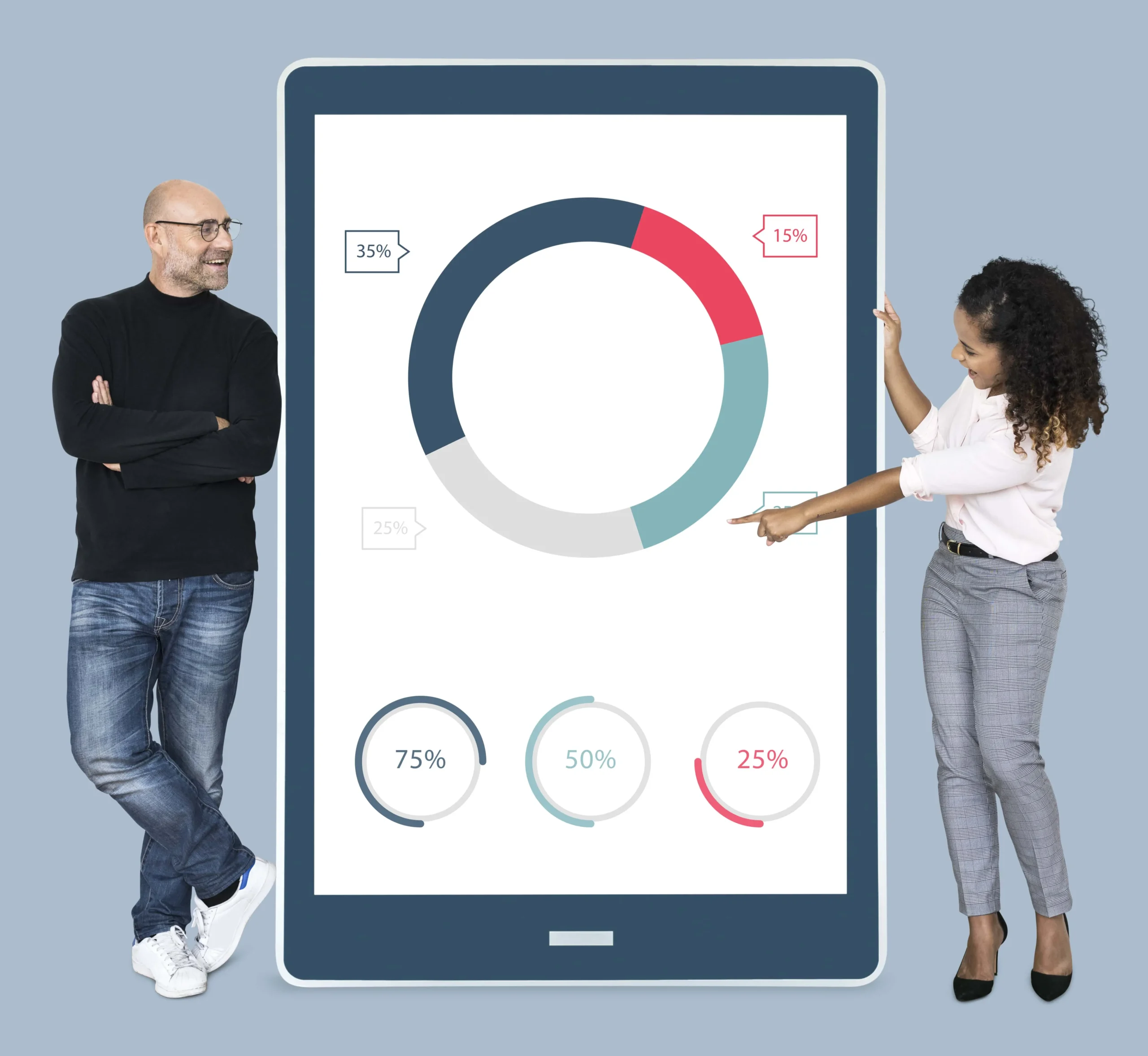
4. Daily Mood Tracking

Mood tracking is a cornerstone feature in most mental health apps free or paid. Users should be able to log their emotions easily and view trends over time through charts and visuals.

  • Enable emoji-based mood inputs for simplicity.
  • Offer time-stamped entries for deeper insight.
  • Show weekly/monthly emotional trends in graphs.
  • Allow users to add notes or tags to entries for more context.

Integrating mood tracking with journaling and AI support enables the app to identify triggers, suggest coping tools, and personalize content dynamically.

Personalized user profiles in mental health apps
Image by freepik

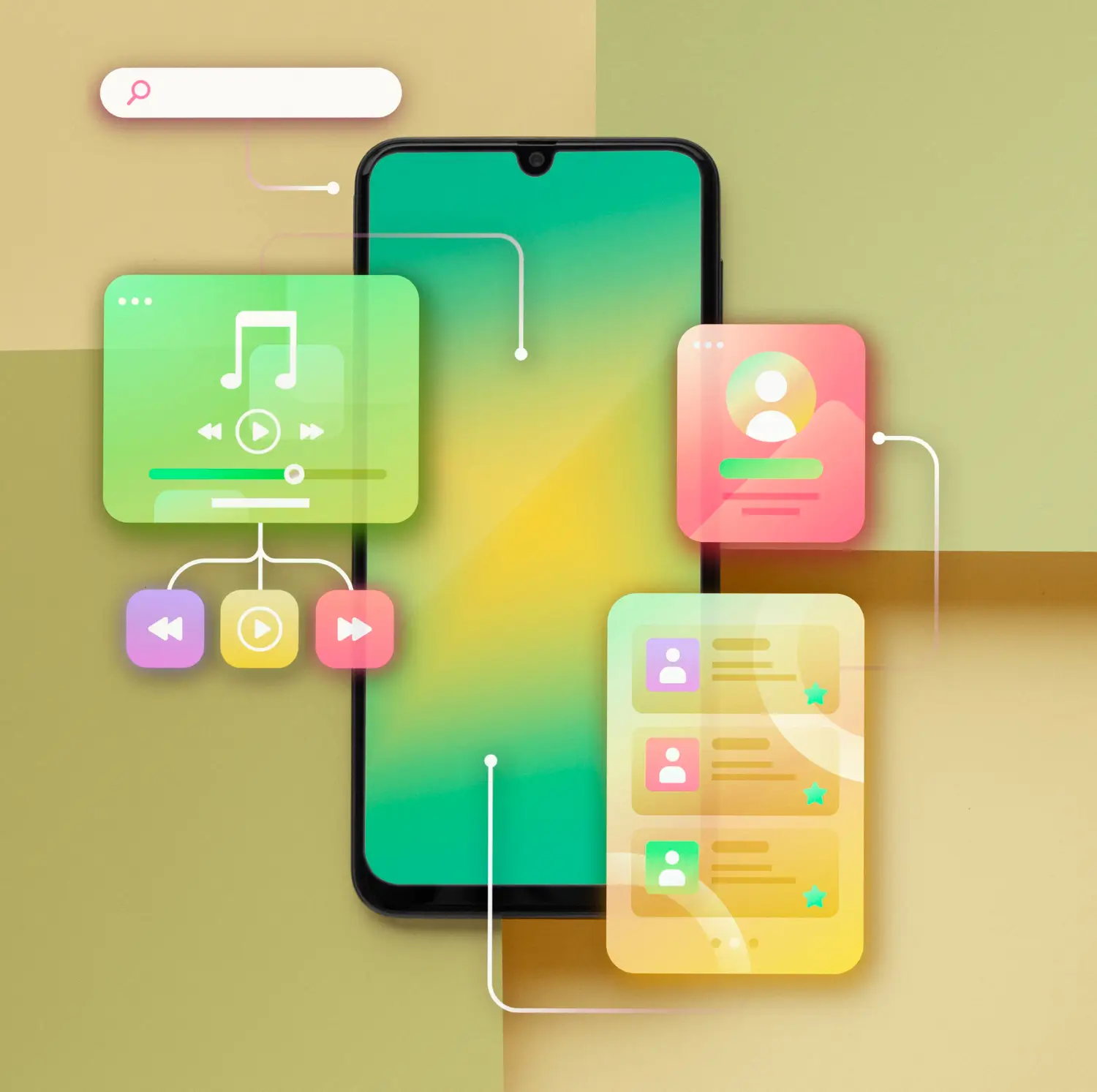
5. Guided Journaling Tools

A guided journaling tool helps users process emotions through prompts and CBT-based frameworks. It’s a core feature of many successful mental health app free models and adds measurable therapeutic value.

Prompts can be organized by categories like anxiety, gratitude, burnout, and relationships. Giving users the ability to set journaling reminders, lock entries for privacy, and view recurring themes over time encourages deeper reflection and ongoing engagement.

6. AI-Powered Chatbots

AI for mental health app development can create responsive, intelligent chatbots that offer empathy and guidance when human therapists are unavailable.

  • Provide 24/7 conversational support
  • Suggest coping exercises based on user mood
  • Integrate with journaling and mood-tracking tools
  • Offer tailored affirmations or mindfulness scripts

They can also be programmed to escalate a session to a human counselor if signs of crisis are detected, ensuring safety while offering scalable support.

Daily mood tracking feature for app for mental health

7. Therapist and Counselor Integration

Give users the option to book live sessions, message therapists, or view suggested content from licensed professionals. Apps like Talkspace and BetterHelp dominate because they include this premium feature.

Consider supporting multiple communication formats (text, video, voice) and allow users to change therapists if needed. Offer therapists a dashboard to view user activity and progress between sessions to guide treatment planning.

8. Cognitive Behavioral Therapy (CBT) Modules

Interactive CBT-based exercises can help users reframe thoughts and develop coping strategies. This evidence-based approach strengthens the therapeutic integrity of your custom mental health app features.

Modules should be interactive, bite-sized, and allow users to save progress. Add features like thought records, behavior tracking, and distorted thinking identification to make CBT accessible and actionable.

9. In-App Messaging and Notifications

Notifications should gently nudge users to complete check-ins or mindfulness exercises, but avoid overwhelming them.

Messaging with therapists or support bots should be private, intuitive, and always encrypted. Allow users to choose what kind of alerts they receive and how frequently. Smart scheduling of notifications based on behavior patterns (e.g., after work hours) can improve engagement without becoming intrusive.

Guided journaling tool in mental health apps
Image by rawpixel.com on Freepik

10. Meditation and Mindfulness Library

Meditation is one of the most requested mental health app features. Consider including the following.

  • Guided meditations for sleep, anxiety, and focus
  • Soundscapes and music playlists
  • Breathing exercises for relaxation and panic attack prevention
  • Category-based search (e.g., “pre-interview anxiety” or “evening wind down”)

Include tracking tools that show how consistent practice impacts mood and sleep over time.

11. Sleep Support Tools

For many users, better sleep is the primary goal. Essential features tied to sleep support might be like:

  • Sleep tracking and scoring
  • Bedtime stories and soothing audio
  • Personalized sleep improvement plans
  • Smart reminders to begin a nighttime routine

Integration with wearable devices can add value by offering real-time data insights and feedback.

12. Emotion and Thought Journals

Separate from mood tracking, emotion journals allow users to deep-dive into what they’re feeling and why.

Use structured prompts or let users free-write. This aids in self-awareness and reflection. Over time, AI can analyze entries to identify common stressors, emotional cycles, or recurring themes, giving users actionable insights for personal growth.

13. Customizable UI and Themes

Make your mental health app UI adaptable with light/dark modes, font sizes, and theme options.

Comfort and customization enhance accessibility for users with sensory sensitivity or visual impairments. Offer soothing color palettes, distraction-free writing modes, and icon scaling options. A highly customizable UI shows respect for neurodiverse and visually impaired users.

AI-powered chatbot support in mental health apps
Image by freepik

14. Crisis Support Features

Always include a visible, one-tap button that connects users to emergency hotlines or crisis resources.

This is a non-negotiable feature in any responsible app for mental health. It should also offer localized options depending on the user’s country, as well as auto-detection of concerning language to suggest support proactively.

15. Progress Visualization Dashboards

Users want to see their growth. Progress visualization dashboards can be immense beneficial and motivating.

Incorporate graphs and milestones that show improvement in areas like mood stability, journal frequency, sleep quality, or CBT exercises completed. Offer weekly summaries and streak counts, and let users set and adjust goals. A clean visual dashboard reinforces the impact of their daily habits.

Image by rawpixel.com on Freepik

16. Gamification and Motivation Tools

Encouraging long-term engagement in your custom mental health app can be difficult, especially when users are struggling emotionally. Gamification can boost retention by making the app experience feel rewarding and progress-oriented. Incorporate motivational systems like points, achievement badges, milestone unlocks, and streak counters for daily check-ins, completed mindfulness sessions, or mood logs.

Add a tiered rewards system with escalating difficulty and value to encourage consistency and a sense of purpose.

Users could also set personal wellness goals and receive in-app encouragement upon reaching them. Include motivational quotes, gentle nudges, and positive affirmations customized to the user’s journey. Optionally, offer a private or social sharing mechanism so users can track progress over time or celebrate achievements with friends or therapists. These features help build positive habits, one step at a time.

17. Community and Peer Support

One of the most powerful tools in any mental health app is connection. Integrating community and peer support features can reduce feelings of isolation and normalize emotional struggles.

Include moderated forums, anonymous peer groups, or topic-specific message boards that allow users to safely connect, share experiences, and support each other. Many users seek camaraderie in shared challenges like anxiety, grief, depression, or parenting stress.

Enhance your app by creating themed sub-communities as well. For example, spaces for BIPOC users, LGBTQ+ individuals, students, caregivers, or people living with chronic illness. Add private group chats, direct messaging (with strong privacy controls), and community-wide challenges to promote accountability and belonging.

To protect vulnerable users, integrate reporting tools, content moderation, and optional therapist-moderated discussions.

Social connection is a proven contributor to mental health and your app can help foster it.

18. Multi-Language Support

For your custom mental health app to succeed globally, it must speak users’ language – literally and culturally. Offer multi-language support that includes not only translated text but localized UI, culturally aware content, and region-specific terminology. Miscommunications in a mental health context can be harmful, so professional, culturally sensitive translation is essential. Focus on high-demand languages first, but plan for expansion into underserved markets.

Don’t forget to localize voiceovers in meditation or CBT modules, ensuring they sound natural and comforting.

19. Offline Accessibility

While many users will access your mental health app in connected environments, others may rely on it during commutes, travel, or times of distress when Wi-Fi or data is unavailable. Offline accessibility is crucial. Allow users to download guided meditations, journaling prompts, therapy modules, or CBT exercises for use without an internet connection. Clearly label which content is offline-ready using intuitive icons.

Ensure that data – like mood entries or completed exercises – syncs automatically when connectivity returns, so users don’t lose progress.

20. Regular Content Updates

Users quickly lose interest in static experiences. Keep your mental health app dynamic and engaging with regular content updates.

This includes refreshing meditation libraries, therapist blogs, coping exercises, CBT modules, and journaling prompts. Not only does this provide ongoing value, but it also encourages users to return and explore what’s new. A content calendar can help keep your app aligned with seasons, global events, and mental health awareness campaigns.

Feature timely content that reflects real-world concerns, such as anxiety during election cycles, stress related to climate change, or loneliness during major holidays. Consider offering monthly challenges or expert-led guided series, like a 30-day mindfulness reset or sleep optimization bootcamp.

These not only drive re-engagement but also increase perceived value for subscribers.

Let’s Nurture Can Help You Build a Transformative Mental Health App

When designing a custom mental health app, you’re building a meaningful, potentially life-saving tool.

Every tap, every prompt, and every feature must offer comfort, safety, and purpose.

Whether your goal is to support users with anxiety, depression, burnout, or sleep struggles, your app must foster trust, promote self-reflection, and deliver proven, supportive experiences. That takes more than just code. It takes compassion, strategy, and technical precision.

At Let’s Nurture, we understand that a successful mental health app design hinges on far more than sleek visuals. It’s about creating an ecosystem where privacy, personalization, and emotional intelligence converge.

Our expert developers and UX/UI designers build apps with HIPAA-compliant security, AI for mental health app functionality, guided journaling tools, meditation and sleep libraries, and more, tailored to your vision and audience. Whether you want a mental health app free to use, a subscription model, or a hybrid solution, we’ll help you turn your concept into a fully scalable, user-first platform.

From startups breaking into the mental health app market to healthcare providers and wellness brands expanding digital offerings, Let’s Nurture is your partner in building compassionate technology.

We specialize in custom mental health app features that prioritize accessibility, cross-platform performance, and long-term user engagement. With our support, your app can not only compete but truly make a difference.

The Let’s Nurture Process: How We Build Custom Mental Health Apps from Idea to Launch

Creating a custom mental health app with Let’s Nurture is a collaborative journey grounded in research, innovation, and empathy. We work with you at every step to ensure your mental health works. Here’s how we bring your vision to life.

1. Discovery and Strategy

Our process begins with an in-depth consultation to understand your app idea, target users, therapeutic goals, budget, and technical requirements. We analyze your niche within the mental health app market, review competitor benchmarks, and define your app’s unique value proposition. This stage ensures your goals are aligned with user needs and industry standards.

2. User-Centric UX/UI Design

Our designers craft a beautiful, accessible, and intuitive mental health app UI, with special focus on emotional ease and minimal friction. From onboarding flows to mood check-ins, every element is purpose-built for your audience. We incorporate accessibility best practices, support for sensory sensitivity, and options like customizable themes and multilingual support.

3. Feature Planning and Architecture

We build your app’s framework around the most essential custom mental health app features, including daily mood tracking, guided journaling, CBT modules, AI-powered chatbots, meditation libraries, and therapist integration. Our team ensures scalability, performance, and clean backend logic so your app is future-proof and easy to maintain.

4. AI and Data Privacy Integration

If your project calls for AI for mental health app functionality (e.g., empathetic chatbots or behavior predictions), we implement intelligent algorithms with ethical, bias-aware datasets. Every app we build adheres to global data protection standards like HIPAA, PIPEDA, and GDPR, with encrypted storage, secure authentication, and opt-in data permissions.


5. Development and Testing

Using agile methodology, our developers build cross-platform apps (iOS, Android, and web) that are responsive, fast, and highly secure. We run intensive QA cycles including accessibility testing, privacy stress tests, and user behavior simulations to ensure every feature works as intended, offline or online.

6. Content & Community Setup

We help you populate your app with journaling prompts, meditation scripts, CBT content, and engaging resources. If you’re planning peer communities or forums, we ensure moderation tools and safe spaces are integrated from the start, using proven mental health frameworks.

7. Launch, Feedback, and Iteration

We assist with app store deployment, performance analytics, and initial user acquisition campaigns. After launch, we monitor engagement and behavior data to help you iterate fast, adding features like progress dashboards, seasonal content updates, or gamified experiences to boost retention and ROI.

8. Support and Scaling

Your app’s success doesn’t end at launch. Let’s Nurture offers ongoing support, including bug fixes, content updates, new integrations (such as wearables or EMR), and scaling strategies to help your mental health app grow sustainably across geographies or niches.

Contact us

Ready to bring your mental health app idea to life? Let’s Nurture is here to design, develop, and launch your app with empathy and excellence. Contact us today for a free consultation and start building the wellness solution your users need.

Get in touch


We use cookies to give you tailored experiences on our website. Talk to us for COVID19 Support
Okay