





AI Chatbot Trends in 2025: Key Insights, Statistics, and What’s Next
In Lets Nurture
08 Jun. 20
1.81 K VIEWS
According to recent reports, 35% of customers want to see more companies implementing chatbots, while nearly 57% of consumers appreciate chatbots for their ability to deliver instant responses. These numbers are a strong signal that customers not only accept chatbot technology. They expect it. As real-time digital service becomes the norm, consumers are turning to businesses that prioritize fast, automated, and convenient support. This shift is one of the most prominent AI chatbot trends driving the future of customer engagement.
Adding to this, a recent Facebook survey revealed how deeply chatbots are already embedded in today’s communication landscape:
-
Over 2 billion messages are exchanged each month between chatbots and users.
-
56% of consumers prefer using messaging apps over calling a customer service line.
-
53% of users say they’re more likely to buy from businesses that offer messaging services, especially if those services are automated.
This data highlights that chatbots are becoming a core component of business communication. They offer speed, availability, and ease of use that traditional methods struggle to match.
With these evolving trends, it is critical for companies to reassess how they interact with customers across digital channels. Investing in AI-powered chatbots is quickly becoming a competitive necessity. Whether it’s for customer service, sales, or user engagement, bots provide scalable solutions that meet rising consumer expectations while improving operational efficiency.
What Are the Current AI Chatbot Statistics Telling Us?
The chatbot market is booming, and statistics highlight this explosive growth:
-
Over 300,000 chatbots are currently deployed on Facebook alone, according to VentureBeat.
-
Nearly 80% of commercial sectors are expected to implement some level of chatbot automation, shares Outgrow.
-
According to Oracle, more than 50% of users prefer brands offering 24/7 chatbot support.
-
Chatbots could reduce customer support costs by approximately 30% (Invesp).
The overall chatbot market size has also skyrocketed. The commercial value of the chatbot industry has jumped from $703 million in 2016 to over $1.5 billion today, and it’s projected to keep climbing as more businesses explore enterprise chatbot trends and integration opportunities.
Together, these statistics reinforce a key takeaway: AI-driven chatbots are becoming the dominant mode of digital customer interaction. Businesses that invest in this technology now are more likely to stay competitive, enhance customer loyalty, and operate more efficiently in the years ahead.
How Are AI Chatbots Changing the Mobile App Market?
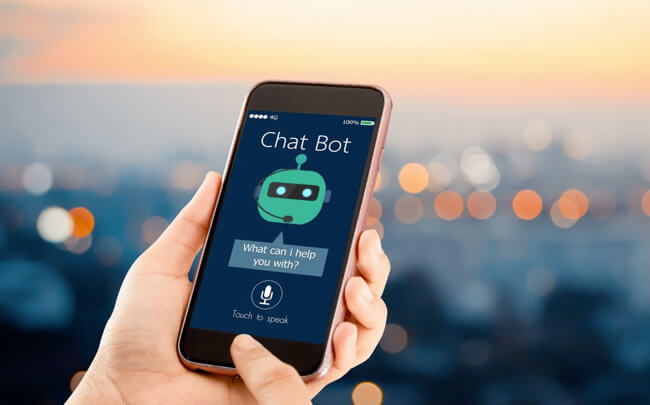
Gartner predicts that by the end of 2025, 50% of companies will invest more in chatbots than traditional mobile apps, highlighting a strategic shift in the mobile application market. The chatbot industry is moving beyond simple scripted interactions toward predictive analytics and real-time conversations powered by AI.
How Are AI Chatbots Impacting Customer Service in 2025?
Chatbots are no longer just simple Q&A tools. With advancements in conversational AI trends, chatbots now provide personalized, instant responses that boost customer satisfaction. They’re becoming vital for:
-
Customer support and engagement
-
Human resources and employee assistance
Consumers appreciate the speed and convenience chatbots offer, making AI chatbots a crucial asset for businesses looking to improve their customer experience (CX).
What Role Do AI-Powered Chatbots Play in Business Growth?
AI chatbot adoption is on the rise, with companies leveraging bots to automate interactions and improve operational efficiency. These bots operate 24/7, handling inquiries and helping close deals without the limitations of human staff hours.
Moreover, business chatbots with advanced natural language processing (NLP) and voice recognition capabilities (such as integration with Alexa or Google Home) are expected to become more interactive and human-like, enhancing the user experience even further.
What Innovations Are Driving AI Chatbot Technology in 2025?

The chatbot technology landscape continues to evolve with innovations like:
-
Automated call centers powered by AI, providing human-like support.
-
Chatbots capable of analyzing customer insights, tailoring solutions based on user behavior.
-
Enhanced chatbot automation trends that reduce manual updates by using machine learning to self-adapt and improve.
How Are Voice and NLP Chatbot Trends Shaping the Future?
Voice-enabled chatbots are increasingly common, allowing customers to interact naturally without typing. The combination of NLP chatbot trends and voice technology offers seamless conversations, making AI chatbots accessible across multiple platforms and devices.
How Are Generative AI Chatbots Reshaping Customer Conversations in 2025?
Thanks to advances in large language models like GPT-4 and Claude, generative AI chatbots are becoming more humanlike, context-aware, and emotionally intelligent.
These bots can hold long-form, dynamic conversations and adjust their tone based on user sentiment. Businesses are using this capability to offer personalized, brand-consistent interactions at scale.
As a result, generative AI chatbots are setting a new standard for customer engagement in 2025.
How Are Enterprises Leveraging AI Chatbots for ROI?

Enterprises recognize the value of AI chatbots in improving operational efficiency and customer satisfaction. The ability to offer real-time support, gather valuable customer data, and integrate with business systems enhances ROI significantly.
What Is Driving Enterprise Chatbot Adoption in 2025?
Large organizations are turning to AI chatbots to streamline customer support, automate internal workflows, and reduce operational costs.
As chatbot technology becomes more robust and integral with enterprise software (like CRMs and ERPs), the value proposition for businesses grows. Enterprise chatbot trends in 2025 point to widespread use in HR support, IT helpdesks, and even employee onboarding. Scalability, consistency, and 24/7 availability are fueling this rapid adoption.
What Challenges Do Chatbots Face and How Are They Becoming More Flexible?
While early chatbots were often robotic and limited, modern AI chatbots are becoming more flexible and capable of delivering context-aware, relevant responses. Ongoing improvements in machine learning help address frustrations with outdated or rigid chatbot models.
How Will AI Chatbots Influence the Customer Experience (CX)?

AI chatbots are reshaping customer experience by enabling personalized, efficient interactions at scale. As social media and messaging platforms continue to grow, chatbots serve as key tools to engage users where they are most active.
How Are AI Chatbots Being Integrated into Omnichannel Customer Journeys?
In 2025, chatbots are being integrated across web, mobile, email, social media, and messaging platforms like WhatsApp and Slack.
his omnichannel approach ensures that customers receive consistent support wherever they choose to engage. AI chatbots can now follow the customer journey across channels, retaining context and reducing the need to repeat information. It’s a key trend driving loyalty and seamless brand experiences.
What Innovations Are Emerging in AI Chatbot Automation?
Automation in 2025 goes far beyond basic chat scripts. With machine learning, chatbots can now handle multi-step workflows like booking, upselling, ticket routing, and cross-platform communication, all without human intervention.
Intelligent escalation and self-learning features are improving bot accuracy over time. These chatbot automation trends are driving operational efficiency across sales, support, and service departments.
How Are AI Chatbots Improving Accessibility and Inclusion?
AI chatbots are being developed with inclusivity in mind, supporting multiple languages, screen readers, voice interaction, and simplified text for different user needs. In 2025, accessible bots are helping brands reach broader audiences, including people with disabilities or limited tech literacy. This inclusivity is a business advantage. Companies that prioritize accessibility are boosting engagement and brand trust across demographics.
What Does the Future Hold for AI Chatbots?

The future of chatbots is bright. Increasingly, brands will embed AI chatbots into their mobile apps and platforms to collect data, provide semantic content, and enhance engagement. Leading social apps like Instagram are already leveraging AI to tailor user experiences, setting a precedent for the industry.
How Will Chatbot ROI Be Measured in 2025?

Businesses in 2025 are moving beyond basic chatbot metrics like response time and looking at deeper performance indicators.
These include customer satisfaction scores (CSAT), lead-to-sale conversion rates, support ticket deflection, and lifetime customer value. With improved analytics and tracking tools, calculating AI chatbot ROI has become more precise and meaningful. Demonstrating value is essential as chatbot investments become more strategic.
Ready to Transform Your Business with AI Chatbots?
At Lets Nurture, we specialize in developing intelligent, conversational AI chatbots tailored to your unique business needs.
Whether you want to improve customer support, automate lead generation, or elevate user engagement, our expert team builds scalable chatbot solutions that serve customers globally around the clock.
Get in touch today to explore how our AI chatbot technology can help your business stay ahead of the curve and deliver personalized experiences that convert. Let’s create the future of communication, together.

Author

Posted by Lets Nurture
Our Partners
Approved Solution Provider

Proud Member

Approved Consultant