
Contact us
Contact us at Lets Nurture to learn more about how we can help you design a non-profit website that represents you and elevates your organization to be seen precisely how you envision.


Non-profit web design is an underrated component of any non-profit organization’s marketing and branding strategy. In today’s digital-first world, a non-profit’s website is more than a placeholder. It’s your organization’s hub for outreach, fundraising, and community engagement.
Whether you’re based in Moncton, Halifax, Charlottetown, or St. John’s, your website is often the first impression people get of your mission. And in the world of non-profits, first impressions can mean the difference between a donor clicking “give” or bouncing away.
A strategically designed site can build trust, tell your story, and inspire action. In Atlantic Canada – where local culture and community values play a central role in day-to-day life – it’s especially important to create digital experiences that reflect your non-profit’s unique voice, values, and goals.
Atlantic Canadian non-profits often work in tight-knit, community-driven contexts. From rural New Brunswick food banks to arts collectives in Halifax or marine conservation groups in Newfoundland, the region’s organizations are as diverse as its coastline.
But no matter the cause, these non-profits tend to share a few common needs: they must stretch every dollar, they must build lasting trust with donors, and they must connect authentically with the communities they serve. This means your web design should be about performance, clarity, and impact.
Whether you’re serving a bilingual audience in New Brunswick or navigating seasonal fundraising cycles in PEI, your website needs to work hard, smart, and consistently.
Effective non-profit web design balances form and function. It should clearly communicate your mission, highlight your impact, and make it incredibly easy for visitors to take action – be that donating, volunteering, attending an event, or signing a petition.

New Brunswick non-profits face a special set of challenges and opportunities.
Many organizations here work in bilingual environments, serving both English and French communities. That means web design must support dual-language functionality without compromising design clarity or speed.
Moncton, as a growing urban hub, is home to non-profits focused on immigration, housing, mental health, and youth engagement. These groups often depend on grants and donations that require transparent impact reporting. A well-designed site can display outcomes and reports in clean, digestible formats that impress both funders and the public.
Plus, mobile optimization is crucial. Many visitors in New Brunswick browse on their phones, especially in rural areas with limited internet access. If your website isn’t mobile-friendly, you’re likely losing potential supporters.


Halifax is a cultural and economic centre for the region, and that includes the non-profit sector.
Whether you’re an arts non-profit, a social justice organization, or an environmental advocacy group, Halifax’s competitive digital landscape means you need a website that stands out.
An effective web presence in Nova Scotia includes features like interactive calendars, donation portals, and social media integration. These tools help boost your reach and make it easier for supporters to engage in real time.
Design for accessibility is also key. Many Halifax-based non-profits are working with vulnerable populations, so making sure your site is easy to navigate for people with disabilities isn’t just best practice. It’s essential.

Prince Edward Island may be small in size, but its non-profit ecosystem is anything but.
With causes ranging from sustainable farming to arts festivals and child welfare, PEI’s community-driven spirit should be at the heart of every website.
When you invest in non-profit web design in PEI, you want a site that feels personal and connected. That means highlighting real stories, using local imagery, and keeping the tone warm and welcoming. A generic, cookie-cutter site just won’t resonate with your audience here.
Local SEO also plays a major role. If someone Googles your category of non profit in PEI, your site should rank well but more importantly, it should look and feel like it belongs in PEI. That includes regional keywords, relevant photos, and a vibe that reflects the island’s pace and values.

Newfoundland non-profits often face geographic and infrastructural challenges that their mainland counterparts don’t. Internet access can be inconsistent in some rural areas, and operating costs can be high. That’s why your website needs to work as hard as you do.
For organizations in St. John’s and throughout Newfoundland, your site should be lightweight and fast-loading, even on slow connections.
It should also be strategically organized so visitors can quickly understand what you do, how you do it, and how they can help.
This is where clear navigation, bold calls-to-action, and well-structured content come into play. If you can’t speak to your audience in under 10 seconds, you’re likely to lose them. A smart website helps you hold attention and drive meaningful engagement, even when people are scrolling on a snow day from rural Labrador.

A common thread in successful non-profit websites across Atlantic Canada is strong storytelling. This goes beyond your “About Us” page. Your mission, values, and success stories should be woven into every corner of your site.
High-impact storytelling includes featuring testimonials, community spotlights, and compelling visuals that show your impact in real time. Video content is especially effective. Think short clips of your volunteers in action or event recaps can drive both emotional connection and clicks.
Make sure your content feels human. People don’t donate to logos or programs. They donate to people, stories, and purpose. Your website should reflect that human connection in its voice, imagery, and layout.
If your website doesn’t show up in search results, it’s not doing its job.
SEO helps ensure your non-profit is found by people searching for causes like yours. This is especially crucial for local organizations looking to connect with nearby supporters.
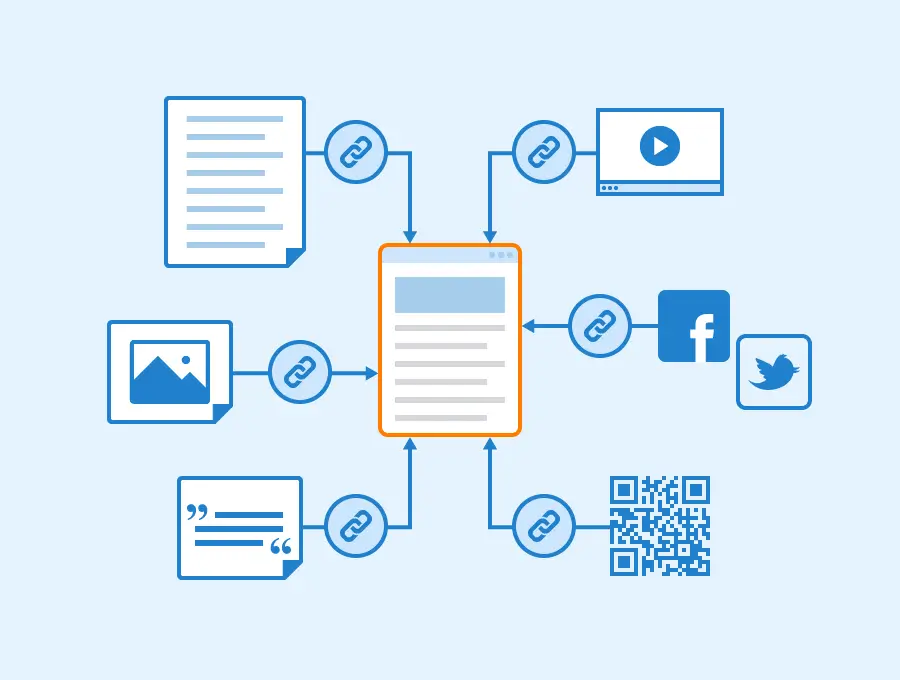
To optimize your site, make sure you’re using geographic keywords and keywords relevant to your specific non-profit category and target audience. Use them in page titles, headers, and meta descriptions. Alt text for images, proper URL structures, and internal linking all play a role, too.
Don’t underestimate the power of a blog. Regularly posting updates, thought leadership, or community stories can help boost rankings and show your site is active – something search engines (and users) love.
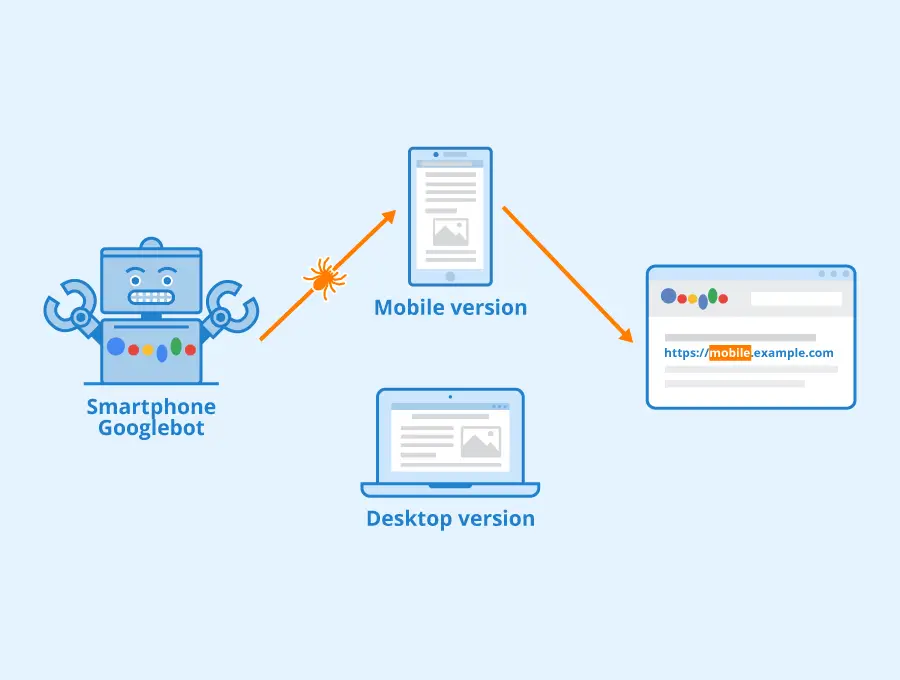
More than half of all web traffic comes from mobile devices and in Atlantic Canada, where rural populations often access the web via smartphones, that percentage may be even higher.
Your site has to work seamlessly on small screens. No ifs, ands, or buts.
This doesn’t just mean resizing elements. It means optimizing load speeds, ensuring tap targets are large enough, and designing forms that are easy to fill out on the go. Mobile-friendly navigation and readable font sizes are key.
A frustrating mobile experience can cost you donations, sign-ups, and event attendance. Great non-profit web design puts mobile users first, not as an afterthought.
If your website has a “Donate” button tucked away at the bottom of the page – or worse, a confusing donation form – you’re leaving money on the table.
Donation pages should be front and center, beautifully designed, and friction-free.
Best practices include offering multiple giving options (one-time, monthly), using trust signals like secure payment badges, and reinforcing the impact of every dollar. For example: “$25 provides one warm meal for a local family in Moncton.” That’s far more compelling than “Donate now.”
Clear design, emotional messaging, and zero distractions make for a donation page that drives real results.
A great non-profit website doesn’t exist in a vacuum. It connects with your broader digital ecosystem.
Integrating your site with social media platforms like Facebook, Instagram, and X (formerly Twitter) helps extend your reach and build community. After all, these are major platforms where your followers and potential donors congregate and converse.
Make it easy for visitors to follow you, share your content, and sign up for newsletters. Email capture forms should be strategically placed throughout your site, especially on blog posts and donation pages.
And don’t forget about automation. Tools like Mailchimp or Constant Contact can help you stay in touch with supporters without creating more manual work for your already-busy team.

For a non-profit, accessibility is essential. Every user, regardless of ability, should be able to navigate your website, understand your content, and take action.
Atlantic Canadian non-profits that prioritize accessibility not only expand their reach but also reflect their core values of inclusion.
This means using proper heading structures, high-contrast text, alt tags for images, and ensuring your site can be used with screen readers. It also includes plain language. Avoid jargon and keep your content clear and conversational.
If your non-profit serves seniors, people with disabilities, or ESL speakers (a common demographic in New Brunswick and Halifax), accessible design becomes even more important.
Not all web designers understand the non-profit world or the unique nuances of working in Atlantic Canada.
Look for a web design partner who has experience with non-profits, understands your local audience, and can build a site that meets your budget and goals.
Ask about their understanding of accessibility, mobile-first design, and SEO. Review their portfolio and don’t be afraid to ask how they measure success. A good web design firm won’t just make your site look good. They’ll make sure it works hard for you.
You deserve a website that reflects your mission, attracts supporters, and grows with your organization.
And you shouldn’t have to sacrifice quality because of budget constraints.
Lets Nurture is a full-service digital solutions agency with deep roots in Canada and a global footprint.
With over a decade of experience, the team has helped startups, enterprises, and non-profits alike build scalable, user-friendly, and impactful digital platforms.
What sets Lets Nurture apart is their people-first approach. Their team includes expert designers, developers, marketers, and strategists who work together to bring your organization’s mission to life online.
Headquartered in Atlantic Canada, with active clients across all four Atlantic Provinces, Lets Nurture is especially committed to empowering local communities. We are known for working closely with non-profits, charities, and social enterprises, helping them modernize their digital presence, reach more people, and ultimately make a bigger impact.
Here is some of our work:

Whether you need a custom website, mobile app, donor platform, or digital marketing strategy, Lets Nurture brings both the technical skills and community-minded spirit to help you succeed.
With years of experience working alongside non-profits across Canada, including New Brunswick, Nova Scotia, PEI, and Newfoundland, we can help.
For non-profits looking to do more good with less, let’s connect.
In Atlantic Canada’s vibrant non-profit scene, your website is your most powerful tool. It tells your story, connects your community, and drives the action that fuels your mission.
Whether you’re a grassroots group in PEI, an advocacy nonprofit in Nova Scotia, or a long-standing charity in New Brunswick, your web design should elevate everything you do. With the right strategy, structure, and soul, your site can become a fundraising machine, a storytelling powerhouse, and a digital home for the community you serve.
Investing in great non-profit web design in Moncton, Halifax, PEI, or St. John’s isn’t just about getting clicks.
It’s about building something lasting, impactful, and worthy of your cause.
Contact us at Lets Nurture to learn more about how we can help you design a non-profit website that represents you and elevates your organization to be seen precisely how you envision.