

Contact us
Ready to cut costs and improve efficiency with AI Workflow Automation Development for FoodTech? Let’s Nurture help you build smart, scalable, and customized AI solutions tailored to your business needs.


AI Workflow Automation Development for FoodTech helps food businesses cut costs, reduce waste, and improve efficiency by automating daily operations with smart, data-driven systems.
AI Workflow Automation Development for FoodTech is the use of artificial intelligence to automate tasks like inventory management, order processing, and supply chain operations, helping food businesses reduce costs, improve efficiency, and scale faster.
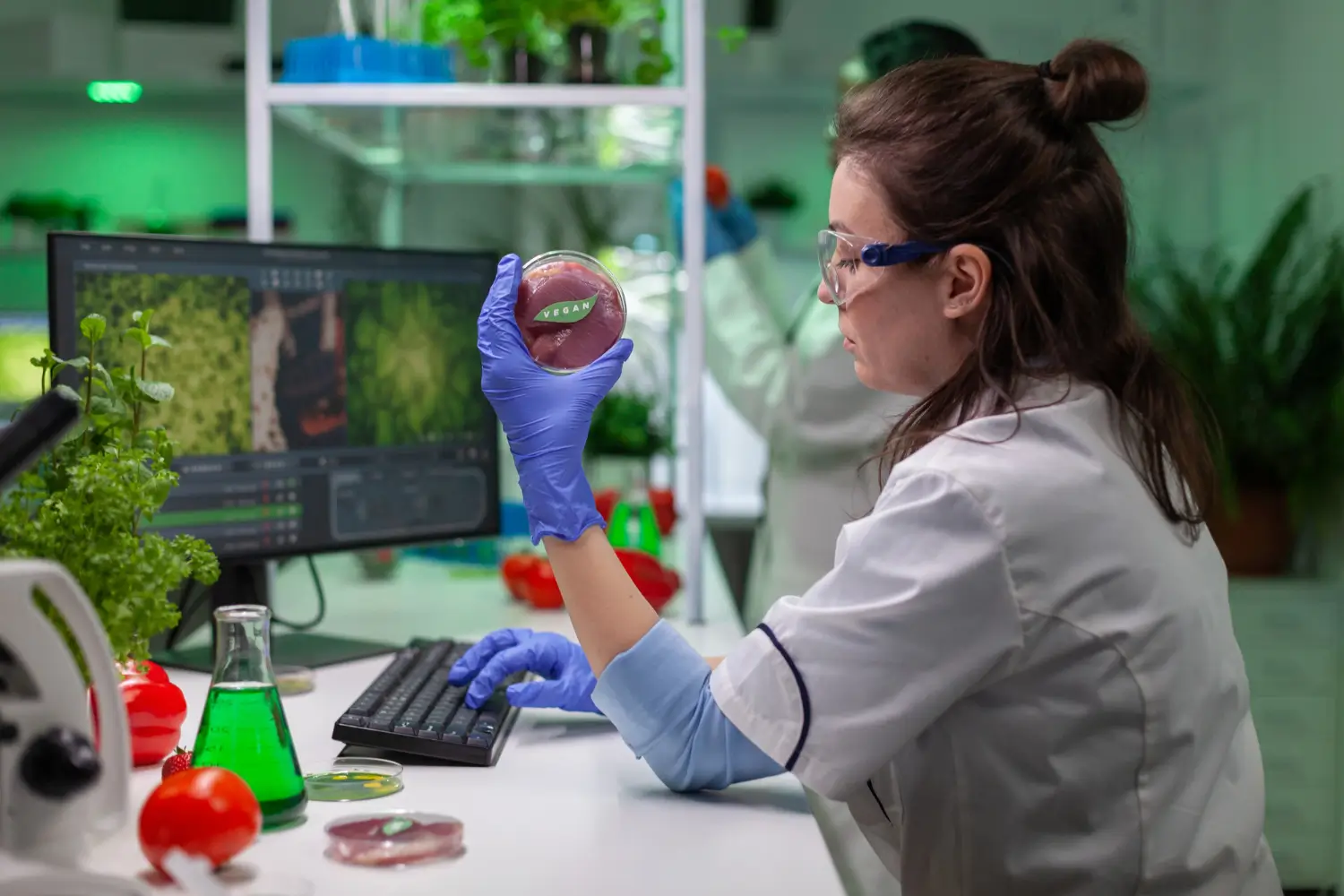
The result is a system that keeps learning and improving over time, leading to intelligent food operations that run smoothly.
Manual work slows everything down. From taking orders to managing stock, every step adds cost and risk of error.
Without AI for inventory management food systems, businesses often guess demand. This leads to overstocking or shortages. Studies show that poor inventory management can increase food waste by up to 20–25%.
Customers expect speed. A delay of even a few minutes can impact satisfaction and repeat orders.
Without AI-driven demand forecasting food tools, businesses react instead of planning ahead. That means missed opportunities and unnecessary losses.
One of the biggest benefits of AI in the food industry is cost control. Automation reduces dependency on manual labor and minimizes errors. Businesses often see cost savings of up to 30–50% after implementing AI systems.
AI systems work around the clock. They don’t slow down, make fewer mistakes, and ensure tasks are completed faster.
With AI-powered insights, businesses can predict demand and maintain the right stock levels. This helps reduce food waste significantly.
Faster delivery, accurate orders, and personalized recommendations create a smoother customer journey.

Automation allows businesses to grow without increasing operational complexity. You can handle more orders without hiring more staff.
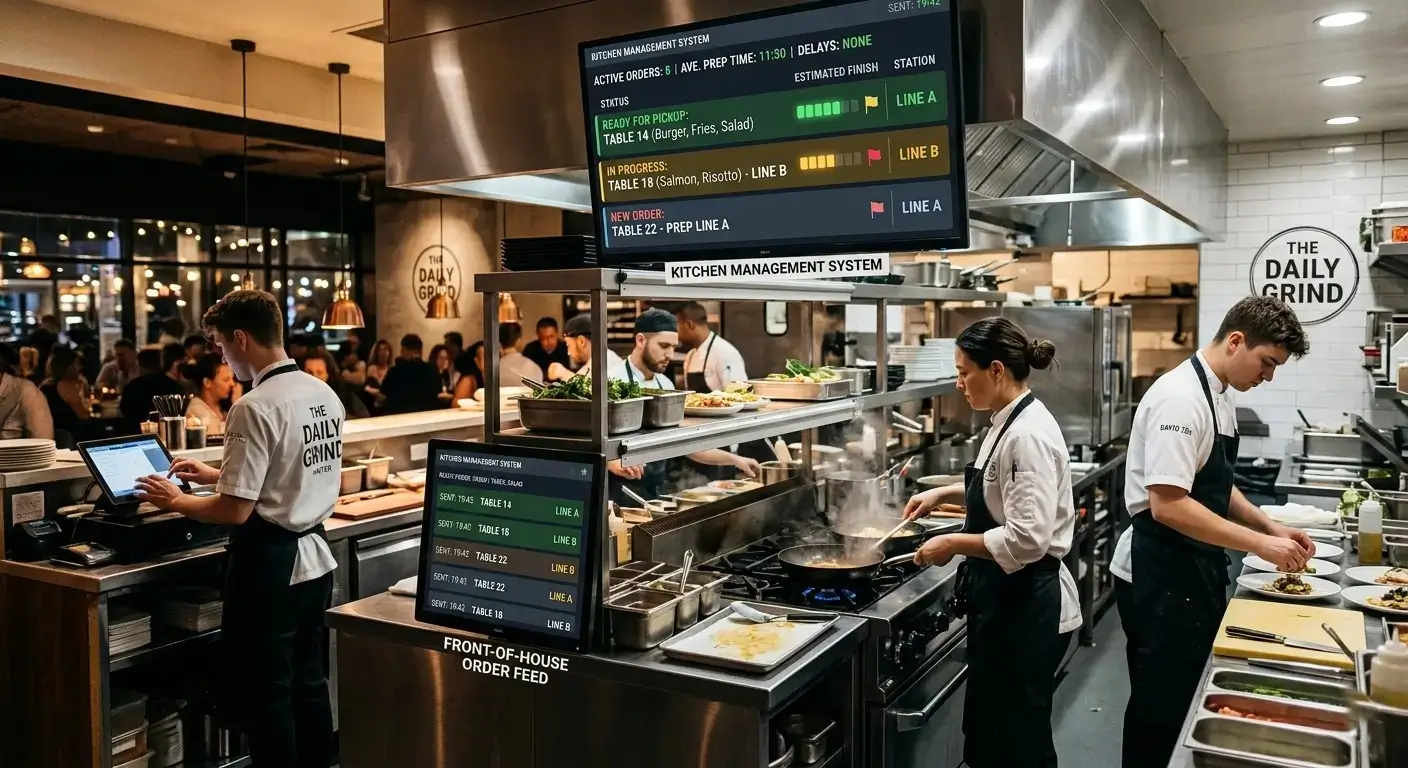
Restaurants are using AI-powered kitchen management systems to streamline operations. Orders move smoothly from the counter to the kitchen, reducing wait times.
Delivery platforms use AI for food delivery optimization. Routes are planned in real time, reducing delivery time by up to 20%.
Manufacturers rely on smart food processing solutions for quality checks and production efficiency.
AI-powered logistics food systems improve coordination between suppliers and distributors, ensuring timely delivery.
Automation handles repetitive tasks, allowing businesses to operate with smaller teams.
AI-driven demand forecasting helps prepare only what is needed. This alone can reduce waste by up to 25%.
Automated workflows reduce delays in kitchens and delivery systems.
Mistakes in billing, order processing, and inventory tracking are significantly reduced.
Start by understanding where your business is losing time or money.
Select AI software for food businesses that aligns with your needs.
Ensure smooth AI integration of food systems across all departments.
Run small tests to check performance and fix issues.
AI systems improve over time. Keep tracking results and optimize regularly.
Many businesses hesitate due to cost. However, the return on investment is often seen within months through savings and efficiency gains.
This is where working with an AI automation company for the food industry makes a difference.
Custom FoodTech AI development ensures everything works together seamlessly.
Using secure cloud-based food automation software protects sensitive data.
The shift is clear. Businesses are moving towards digital transformation in food industry because staying manual is no longer sustainable.

Automation is no longer optional—it’s essential.
Adoption is growing rapidly, especially with AI Workflow Automation Development for FoodTech Canada initiatives.
This transformation is helping businesses stay competitive in a demanding market.
Streamline kitchen operations and reduce delays.
Ensure optimal stock levels and reduce waste.
Improve delivery speed and accuracy.
Enable flexible and scalable operations.
The future of FoodTech will be driven by deeper AI integration of food systems.
Businesses that adopt early will lead the market.
AI Workflow Automation Development for FoodTech is no longer just an innovation—it’s a necessity for survival and growth.
From reducing operational costs to improving efficiency and customer experience, AI is reshaping how food businesses operate. The benefits are clear, and the results are measurable.
If you want to stay competitive, the time to act is now. Start small, focus on key problem areas, and scale as you grow. With the right approach, AI can transform your business faster than you expect.
Ready to cut costs and improve efficiency with AI Workflow Automation Development for FoodTech? Let’s Nurture help you build smart, scalable, and customized AI solutions tailored to your business needs.