





Cannabis Trends Canada 2025: An Overview
In Lets Nurture
03 Jun. 20
1.79 K VIEWS
According to the 2023 Canadian Cannabis Survey, more than one third of Canadians aged 25 to 44—34.5%—reported using cannabis within the past 12 months.
Daily or near daily use (defined as 5+ days per week) among this group was approximately 10.3%. These figures reflect notable consistency in usage patterns since legalization, with past year use hovering around one third for adults under 45.
On the economic front, Canada’s legal cannabis sector made a substantial contribution to the national economy. In 2024, its impact reached over CAD $8.3 billion. Approximately CAD $7.4 billion of this comes from licensed production and CAD $951 million from retail sales. This outpaces many traditional industries such as breweries, wineries, and distilleries.
Despite the growing acceptance in some countries, public perception of marijuana varies significantly around the world. In Canada, the legalization of recreational cannabis has created an entirely new market, and consumers have quickly embraced it. Two key factors influencing cannabis purchasing decisions are price and the variety of products available.
Let’s take a closer look at some of the major cannabis trends that emerged in 2025.
Why Are Cannabis Edibles Becoming So Popular in Canada?
Cannabis edibles have quickly become one of the most in-demand segments of the legal cannabis market.
In 2024, edibles accounted for $4.5 billion in Canada, representing 14% of total legal cannabis sales. As more Canadians look for smoke-free consumption options, edibles offer a convenient and discreet alternative. From classic recipes like brownies and cookies made with cannabis-infused butter or oil to more innovative creations like chocolates, beverages, and even THC-infused savory dishes, the options continue to expand.

Homemade edibles remain a popular choice, especially with the easy availability of cannabis oils and butters from licensed retailers. Consumers can explore a variety of recipes, customizing both flavor and dosage to suit their preferences.
Meanwhile, commercial producers and chefs have embraced cannabis as a culinary ingredient, experimenting with everything from infused ice cream and milkshakes to pizzas topped with cannabis oil—creating exciting new experiences and niche markets.
The shift toward edibles is a major driver of industry growth. According to a Deloitte report, approximately 60% of Canadian cannabis users are more likely to consume edibles than any other form of cannabis.
This strong consumer preference has positioned the edibles market as one of the fastest-growing and most profitable segments in the cannabis space. Analysts predict it could grow into a multi-billion-dollar industry within the next few years.
However, regulations are strict. Health Canada caps the maximum THC content in any edible product at 10 milligrams per package. This limit is in place to ensure responsible use and reduce the risk of overconsumption. For those new to edibles, it’s important to start with low doses and wait at least 1–2 hours to assess the effects.
If you’re interested in learning more about cannabis-infused food or making your own edibles, resources like Leaf Nation offer helpful guides and recipes to get started safely and legally.
Are Cannabis-Infused Beverages the Next Big Trend?
Following the rise of cannabis edibles, cannabis-infused beverages have become the next frontier in the legal cannabis industry.
The Canadian CBD-infused beverages market was valued at approximately USD 580 million in 2023 and is forecast to grow to USD 894 million by 2031. Across Canada, manufacturers and innovators are introducing a variety of drinkable cannabis products, from sparkling waters and juices to teas, coffees, and even milkshakes.
These beverages are designed to deliver either the psychoactive effects of THC or the calming wellness benefits of CBD without the need for smoking or vaping.
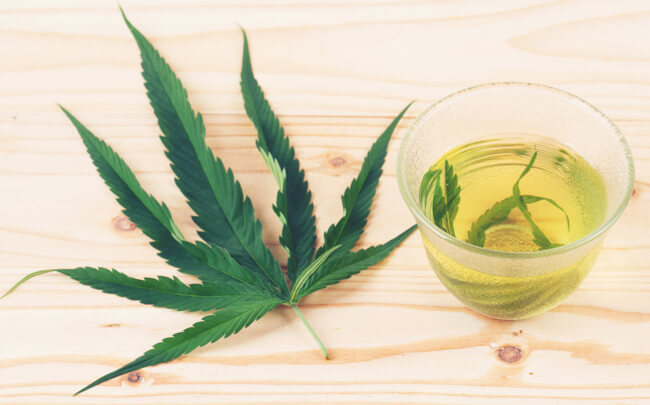
Major beverage corporations have taken notice. Constellation Brands, the maker of Corona and Modelo, entered into a multibillion-dollar partnership with Canopy Growth, Canada’s largest licensed cannabis producer.
Similarly, Molson Coors partnered with HEXO Corp to create a joint venture focused exclusively on cannabis beverages for the Canadian market. Even Coca-Cola has explored the potential of launching CBD-infused wellness drinks, signaling growing global interest in this emerging segment.
Tweed, a subsidiary of Canopy Growth, has already launched a line of CBD-infused sparkling beverages targeting the wellness crowd. These drinks offer a low-calorie, non-alcoholic option for consumers seeking a mild, relaxing experience without the traditional “high” associated with THC.
While the market holds promise, it does face strict regulations. Health Canada prohibits the combination of cannabis with alcohol in any product, meaning companies cannot create traditional beers or wines infused with THC.
However, that hasn’t deterred alcohol brands from entering the space. Instead, they are launching separate cannabis lines designed to replicate the social aspects of drinking without the alcohol content.
Market analysts believe cannabis beverages could capture as much as 30% of the overall edibles market in the coming years, with some estimates projecting a potential value of up to $3 billion annually in Canada alone.
This growth is fueled not only by consumer interest in recreational THC drinks but also by the demand for CBD-based health and wellness beverages that may help reduce inflammation, anxiety, and stress without intoxication.
With continued innovation, improved taste profiles, and more predictable dosing, cannabis-infused beverages are well-positioned to become a mainstream alternative to both alcohol and traditional cannabis products.
What Is Microdosing Cannabis and Why Is It Gaining Popularity?
Microdosing cannabis is quickly becoming a major trend among both new and experienced users looking for the therapeutic benefits of cannabis without the intense psychoactive effects.
The practice involves consuming very small, controlled amounts of THC, typically between 1 to 2.5 milligrams per dose, to achieve subtle effects such as improved mood, focus, or relaxation without feeling “high.”
This approach appeals to professionals, parents, and wellness seekers who want to incorporate cannabis into their daily routine without impairing productivity or clarity. Many consumers report that microdosing helps manage anxiety, stress, chronic pain, or even creative focus, making it a more functional and lifestyle-friendly option.
The rise of precision-dosed edibles, tinctures, sprays, and capsules has made microdosing more accessible than ever.
Cannabis companies are responding with products specifically designed for low-dose consumption, including sublingual strips and beverages that deliver consistent effects in small quantities. Some even come in convenient single-serving packaging that helps users monitor their intake more accurately.
With legalization removing the stigma and opening the door to research, microdosing is quickly becoming a preferred option for those seeking therapeutic use without full intoxication.
This trend also reflects a broader shift in cannabis culture – from getting high to feeling better – helping to normalize cannabis as part of everyday wellness.
What Are CBD Products and Why Are They So Popular?
Beyond the psychoactive effects of marijuana, there is a growing market for CBD, or cannabidiol, a non-intoxicating compound found in cannabis plants. Unlike THC, CBD does not produce a “high” but is widely valued for its potential therapeutic benefits. As a result, CBD has become the most prevalent cannabinoid used in a variety of consumer products.
CBD is now infused into an impressive range of items, including creams, coffee, vape cartridges, chocolates, bath bombs, and even pet care products. This diverse product lineup makes CBD accessible to many people seeking natural wellness alternatives without the effects of marijuana’s psychoactive compounds.

The global market for CBD products is enormous and expanding rapidly. For example, when Walmart Canada hinted at launching CBD products nationwide, their share prices rose by 2.5%, reflecting strong investor confidence.
Estimates from industry analysts suggest that the U.S. CBD market alone could have reached around USD 22 billion by 2022, with global numbers expected to be significantly higher.
The surge in popularity largely stems from claims and ongoing research suggesting that CBD may help alleviate conditions such as inflammation, chronic pain, anxiety, depression, and insomnia. This has fueled consumer interest and opened up a new path for health and wellness markets worldwide.
Canada plays a key role in this space as one of the world’s largest producers of industrial hemp, a primary source of CBD. Hemp cultivation began in Canada in 1998, long before recreational cannabis legalization, and has been used for textiles, food, and other products. The legalization of cannabis expanded the potential uses of hemp-derived CBD, accelerating growth in the market and sparking new trends across the nation.
As the scientific community continues to explore CBD’s benefits and regulations evolve, the availability and variety of CBD-infused products in Canada and beyond are likely to keep increasing.
How Is Cannabis Tourism Growing in Canada?
While not a physical product, cannabis tourism has emerged as a rapidly growing service industry in Canada since the legalization of recreational marijuana in 2018.
With a wide range of cannabis-infused foods, beverages, and experiences now legally available, cities like Vancouver and Toronto are being marketed as cannabis-friendly destinations for domestic and international travelers.
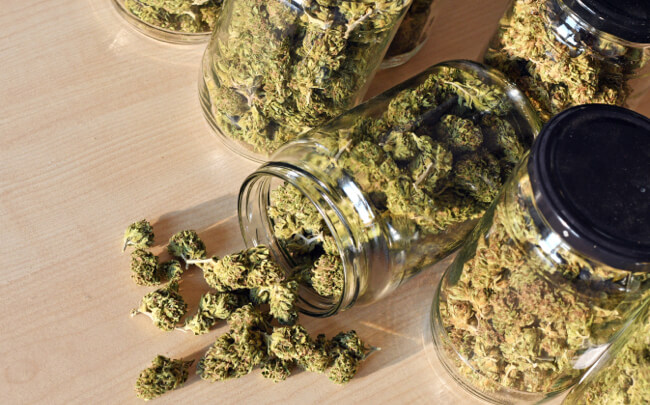
In places like Vancouver, visitors can already find cannabis sold not just in licensed dispensaries, but also integrated into cafes, boutique delis, and lifestyle retail shops. This accessibility allows travelers to experience cannabis in a more refined, culturally immersive way, whether through a THC-infused dessert at a local bakery or a CBD latte at a trendy café.
Canada’s legalization has also made it a prime destination for tourists from countries where recreational cannabis remains prohibited.
This unique status opens up opportunities for travel brands and tour operators to build experiences around legal cannabis consumption. From guided tours of licensed cultivation facilities to tasting events featuring infused gourmet meals, the cannabis tourism market is becoming more sophisticated.
A prime example is the transformation of the old Hershey chocolate factory in Smiths Falls, Ontario, into a large cannabis production site by Canopy Growth. Beyond being a production facility, it includes visitor centers and guided tours that attract both cannabis enthusiasts and curious travelers.
One of the more upscale trends gaining traction is “luxury weed tourism.” This includes wellness retreats offering cannabis-infused massages, guided nature hikes paired with CBD edibles, high-end cannabis weddings, and even curated dinner parties featuring infused wine substitutes and cuisine. These experiences appeal to a demographic looking for both relaxation and novelty in their travel plans.
As more cannabis-friendly experiences become available, from consumption lounges to educational workshops, the tourism sector in Canada is well-positioned to thrive.
Cannabis has quickly gone from a legal novelty to a defining part of Canada’s modern travel experience, blending education, wellness, recreation, and gastronomy into one high-potential industry.
What Does the Future of Cannabis in Canada Look Like?
The legalization of recreational cannabis in Canada marked a pivotal shift in both public policy and market potential.
Today, cannabis is a catalyst for innovation, tourism, retail growth, and wellness-focused consumer trends. With clear regulations, continuous product development, and growing consumer interest, Canada’s cannabis industry is well on its way to becoming a global leader.
As more people become open to exploring its benefits and more companies invest in high-quality offerings, the next few years promise a wave of exciting developments in everything from edibles and beverages to luxury tourism and wellness products.
How Lets Nurture Can Support Your Cannabis Business
As the cannabis industry evolves and becomes increasingly driven by technology, there’s never been a better time to build your presence in this space.
Let’s Nurture specializes in end-to-end digital solutions tailored to the needs of cannabis entrepreneurs, whether you’re a startup, mid-size firm, or enterprise.
We offer custom cannabis mobile apps, eCommerce platforms, inventory management tools, booking systems, and IoT integrations that support compliance, scalability, and user engagement. Our flexible development models ensure that we can support your vision at any stage of growth.
If you’re looking to enter or expand in the cannabis industry but aren’t sure where to begin, our expert consultants are here to help. Contact us today to discover how we can bring your cannabis business idea to life with smart, scalable, and future-ready solutions.

Author

Posted by Lets Nurture
Our Partners
Approved Solution Provider

Proud Member

Approved Consultant